Across Houston, professional arborists deliver tree care experts who focus on safety, health, and ecological responsibility. They utilize extensive knowledge of plant health, pest management, and eco-friendly methods to guarantee your trees thrive. Their specialized trimming and health maintenance approaches are tailored for ideal growth and resilience. When examining structural soundness or using environmentally conscious pest control, they deliver unparalleled care. Explore the expertise and value that protect your landscape's health and aesthetic appeal.
Core Findings
- Certified arborists in Houston deliver premium tree care services for local species
- Professional tree care improves real estate worth through better aesthetics and tree health.
- Regular pruning and disease control methods promote robust growth and reduced pest risks.
- Green pest control techniques preserve our ecosystem and promote tree health.
- Dependable tree care solutions include safe working methods and comprehensive environmental awareness.
The Significance of Professional Tree Maintenance
Although many homeowners are tempted to handle tree maintenance by themselves, qualified tree care specialists are vital for maintaining tree health and safety. Many don't realize how complex tree care can be, demanding a comprehensive understanding of environmental conditions, biology, and soil composition. Certified arborists maintain the skills to detect infestations and health issues that may compromise your trees. Their expert experience ensures that mulching, fertilization, and pruning are performed with precision, encouraging optimal growth and longevity. Tree care professionals employ advanced tools and practices, decreasing the potential for accidents or harm to the tree. Entrusting professionals with tree care enables a comprehensive evaluation of tree stability, guaranteeing your trees continue to be robust and stable in the urban landscape.
Essential Advantages of Tree Care
Making a priority of regular tree maintenance, you boost the general wellness of your trees, fostering healthy development and reducing disease susceptibility. This proactive approach not only assures a healthy landscape but also considerably improves your property's resale value. Regular attention, including maintenance and checks, results in healthier trees that visually and economically improve your surroundings.
Enhanced Tree Health
Proper tree maintenance is crucial for enhancing tree health, as it encompasses important techniques and practices that guarantee trees prosper in their environment. Initially, focus on soil health, which creates the foundation for strong tree growth. Perform soil testing to assess nutrient deficiencies and improve with organic matter to encourage root development. Adequate water management is just as important, as inconsistent watering can stress trees, making them susceptible to diseases. Implement drip irrigation systems to deliver precise moisture levels, making sure trees receive sufficient hydration without over-saturation. Furthermore, timely pruning eliminates dead or diseased branches, facilitating airflow and decreasing pest infestation risks. By integrating these practices, you'll substantially enhance your trees' resilience, guaranteeing they prosper in any Houston climate conditions.
Higher Property Value
Consistent tree upkeep substantially improves your property's worth by enhancing its curb appeal and ensuring the durability of its trees and landscaping. Healthy, maintained trees improve property aesthetics, establishing a attractive setting that potential buyers find appealing. Properly preserved trees offer shade, lower utility bills, and enhance air purity, increasing your property's appeal.
Routine tree management and upkeep helps prevent excessive growth and weather-related risks, while maintaining the strong framework of your trees. This preventive strategy highlights the significance of landscaping in property worth. By addressing possible risks and supporting tree vitality, you simultaneously maintain and boost your home's worth. Working with professional services guarantees that your trees continue to be robust and appealing, thus optimizing your long-term investment.
Expert Guide to Tree Pruning
While applying advanced tree pruning practices, it's crucial to recognize the substantial benefits of proper pruning, including fostering healthy growth and stopping disease. You'll need to utilize specific tools like bypass pruners and pole saws to achieve precise cuts and prevent damage. Perfecting these methods doesn't just improves the beauty of your trees but also increases their lifespan by fostering a robust structure.
Advantages of Professional Pruning
While often overlooked, effective pruning is crucial for preserving tree health and structural integrity, using professional approaches to guarantee ideal results. With careful implementation of pruning practices, you can enhance a tree's aesthetic appeal and vigor. Seasonal pruning, adapted to specific tree types, promotes healthy growth while preventing potential diseases. Cold-season pruning promotes strong spring development, while pruning during summer regulates shape and proportions, limiting overgrowth.
Strategic trimming encourages stronger and healthier branches, enhancing wind resistance and reducing breakage risk. It also enables better sunlight penetration and air circulation, which is essential for healthy growth and fungal control. Eliminating deteriorating or infected wood stops disease progression, preserving the plant's general wellness. Consequently, properly performed pruning improves property aesthetics and helps create a healthy, flourishing landscape.
Must-Have Pruning Equipment
To get the best outcome with correct pruning, using the right tools is essential. Begin by using bypass pruners for exact cuts on thin limbs, guaranteeing exactness in your pruning methods. Use loppers for intermediate limbs, providing the force needed for thicker branches. For larger branches, a pruning saw becomes necessary; its keen serrated blade effectively handles dense wood. Anvil pruners, although not as accurate, are helpful for trimming dead wood.
Don't overlook pole pruners, which help you reach high branches, minimizing the requirement for ladders. Every pruning tool has a specific function, supporting successful tree maintenance. Regular care of your pruning implements, such as cleaning and blade sharpening, ensures they function effectively, preserving the tree's vitality and form.
Diagnosing and Treating Tree Diseases
In many cases, identifying and treating tree diseases promptly can be crucial in whether a cherished tree survives or dies. Start by examining leaves, bark, and roots for symptoms such as abnormal markings, off-coloring, or withering. You could discover bacterial diseases, fungal problems, or viral infections. When identified, select suitable remediation options for the identified issue. For fungal diseases, think about utilizing fungicides, being careful to adhere to label guidelines. Bacterial infections typically require cutting away diseased sections to stop spread. Viral diseases usually require extensive treatment, occasionally necessitating tree elimination. Applying these methods can boost your tree's health read more and longevity. Frequent observation aids in identifying concerns early, improving treatment outcomes.
Pest Management Strategies for Healthy Trees
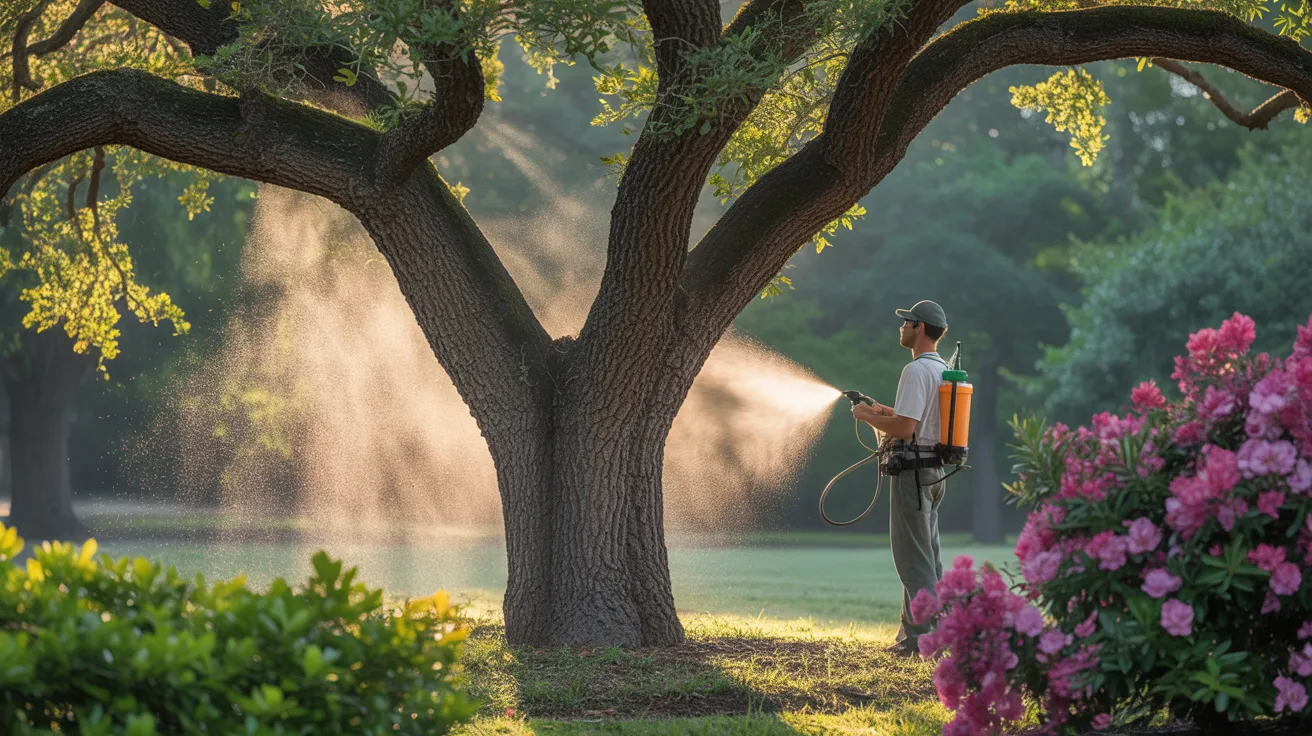
After tackling tree diseases, you need to focus on another major challenge to tree health: pests. Initiate with accurate pest identification. Quick identification helps you to pick the most suitable control measures. Check leaves, bark, and branches for signs of aphids, borers, or caterpillars. Use magnification tools if required to detect minute infestations. Once detected, consider organic treatments as a environmentally conscious approach. Diatomaceous earth, neem oil, and insecticidal soaps offer effective control without harming beneficial insects or the environment. Regular application of these treatments can hold pest populations in check. Remember to monitor tree health regularly. Strong trees are less vulnerable to pest infestations, so implement proper watering, mulching, and pruning techniques to enhance tree resistance against these constant threats.
Tree Care Safety Guidelines
Ensuring safety is paramount in tree care services, as it shields both workers and property from safety threats. It's necessary to start with a detailed risk assessment to identify risk factors, such as compromised branches or closeness to power lines. Make use of with safety gear, including proper safety attire, to strengthen tree safety during operations. Always use carefully maintained tools and machinery, checking them rigorously before each use to stop malfunctions. Establish clear communication among team members using designated communication methods, confirming everyone is informed about ongoing tasks. Create controlled drop zones to control falling debris, holding non-essential personnel and bystanders at a safe distance. Implementing these protocols secures a safe environment for efficient tree care services.
Green Solutions for Tree Care
Adopting sustainable practices in tree care not only complements safety protocols but also ensures the lasting vitality and vibrancy of urban forests. You can accomplish this by using eco-friendly techniques that lower environmental impact. Initiate by incorporating organic fertilizers, which improve soil fertility without adding harmful chemicals. These fertilizers release nutrients steadily, supporting stable growth and decreasing runoff pollution.
Adopting integrated pest management (IPM) represents a vital eco-friendly technique. IPM prioritizes employing organic solutions and observing to control pest issues, decreasing the need for chemical pesticides. Moreover, consider pruning practices that focus on tree health and structural integrity, guaranteeing minimal waste. By selecting native species, you enhance biodiversity and resilience, ensuring your urban forest thrives sustainably.
Finding the Best Tree Service Experts in Houston
How do you confirm you're selecting the top tree care specialists in Houston? To begin, confirm they work with certified arborists. These specialists have extensive knowledge about local tree species and adhere to industry standards. Review their tree service qualifications. A reliable company should have proper insurance, licensing, and professional certifications from established organizations, like the International Society of Arboriculture (ISA). Don't hesitate to obtain references and review their past projects. Assessing their track record ensures quality and dependability. Furthermore, assess their position on both safety and environmental impact. Experts should emphasize safe practices while using sustainable techniques. Lastly, request detailed estimates from multiple providers to compare both cost and scope. By implementing these recommendations, you'll guarantee exceptional care for your trees.
Frequently Asked Questions
How Frequently Should You Water Trees in Houston's Weather?
Considering Houston's environment, you should prioritize watering trees deeply rather than often. As a general rule, water once per week, modifying according to environmental considerations such as rainfall and temperature. During hot and dry periods, water twice per week. Make sure moisture gets to the root zone, usually found 12-24 inches deep. Employ a gradual watering method to avoid excess runoff and support root expansion. Remember excessive water can be just as damaging as insufficient water.
Are There Specific Trees Recommended for Houston Gardens?
Keep in mind that 70% of Houston's precipitation occurs between May and October. We recommend planting native species including the Live Oak or Bald Cypress, which thrive in this climate. These trees are drought-resistant, capable of surviving Houston's dry spells. Native species are naturally equipped for the local ecosystem, minimizing the need for additional water and maintenance. Their hardiness enables them to thrive, delivering shade and beauty to your landscape throughout the year.
When Is the Ideal Season to Plant Trees in Houston?
Autumn is the best time for planting trees in Houston, offering optimal planting conditions. It's important to factor in environmental factors including lower temperatures and higher rainfall, which minimize stress on freshly planted trees. This period allows roots to establish before the hot summer season starts. By planting in fall, you're guaranteeing better development and maximizing your tree's potential to thrive in Houston's climate.
How Do I Recognize a Tree Requiring Urgent Care?
Recognizing a tree that shows urgent warning signs is crucial for its survival! Keep alert for obvious indicators: unusual leaf loss during peak growing season, unstable branches that appear unsafe, or a trunk that shows significant damage. These are clear indicators of serious tree problems. Respond quickly, check for root issues, and get professional help to protect your valuable tree.
Do Tree Roots Pose a Risk to Houston Home Foundations?
Without a doubt, tree roots do cause foundation complications in Houston. You can identify tree root damage when roots invade foundation gaps, putting stress on foundation structures. This typically results in door and window misalignment, and wall fractures. Houston's clay soil compounds these concerns, swelling and shrinking with moisture changes, putting additional strain on foundations. It's vital to watch tree placement and consult professionals for effective management and prevention strategies.
Final Overview
You've explored through the forest of expert tree care, learning about the expertise and knowledge that maintain Houston's trees thriving. With professional care, your trees stand tall and proud, delivering benefits like shade and beauty. Expert pruning techniques and careful disease management guarantee they remain vigorous, while pest control methods protect them from unseen threats. Safety and sustainability are your primary focus. Choose the right professionals, and your landscape will be a reflection of environmental harmony and vitality.